
The Science of Trauma & Grief
We carry a powerful but misunderstood truth about human suffering: most people survive extremely difficult events without permanent damage to their emotional lives. That counterintuitive observation sits at the center of modern research into trauma and grief. It forces us to move beyond the idea that trauma is an automatic, irreversible rewiring of the brain and toward a more useful question: when hardship arrives, which processes protect most people and why do a minority develop lasting harm?

Three dangerous myths about trauma
Start here: three common assumptions distort how individuals, organizations, and communities respond to adversity.
Myth 1: Anything very hard is a trauma. Not every painful, disruptive life event qualifies. Traumas are a specific class of events that are out of the normal range of human experience—typically violent, life threatening, or involving sexual violation.
Myth 2: Trauma always produces lasting emotional damage. Many stressful events trigger intense short-term reactions but do not leave enduring harm. In fact, the most common outcome after potentially traumatic events is a stable return to healthy functioning.
Myth 3: Hidden traumas are quietly wrecking us from within. The idea that we carry secret PTSD-like wounds that constantly sabotage our lives is seductive, but it is poorly grounded in biological evidence and can become its own source of helplessness.
These myths push individuals to feel weaker, organizations to overpathologize normal distress, and communities to develop industries around the idea that everyone is fragile. A clearer map of what trauma is, how bodies and brains respond, and what practical steps actually help will change how we treat adversity.
Potentially traumatic events versus really hard events
Language matters. Calling something a trauma when it is not reshapes both perception and response. Use the term potentially traumatic event to mark the distinction between events that trigger emergency biological reactions and those that are deeply painful but fundamentally different in psychological mechanics.
Examples of potentially traumatic events include near-death experiences, severe physical injury, or sexual assault—events that activate survival systems in a way ordinary difficulties do not. By contrast, losing a job, a devastating break-up, or financial ruin are usually psychologically harmful but not necessarily traumatic in the strict sense.
The resilience trajectory and the four common outcomes
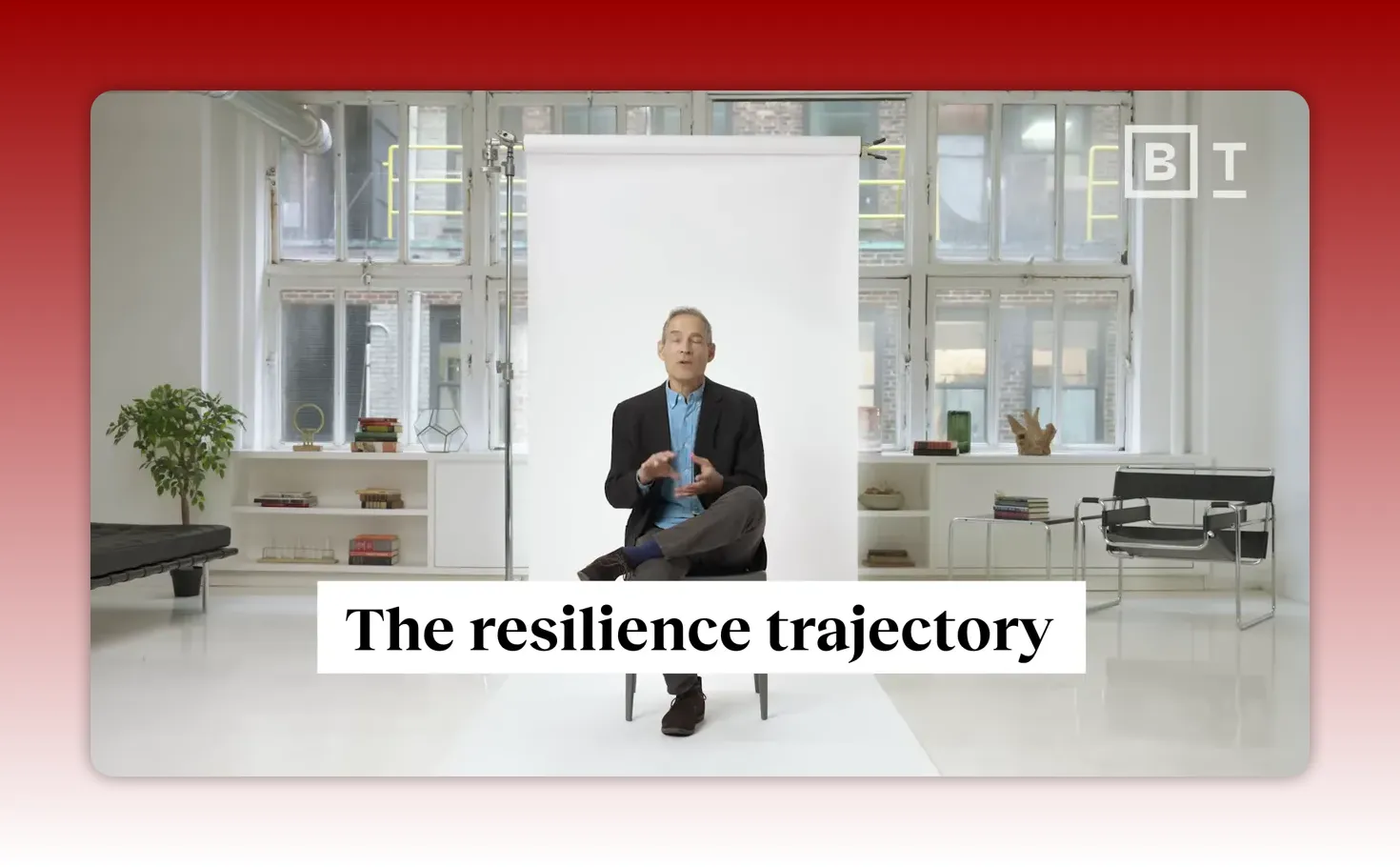
Resilience is not a personality trait. It is an outcome relative to a specific event. When researchers track people over time after high-impact events, they consistently find distinct pathways:
Resilient (the most common): People show an immediate upset but then continue on a stable trajectory of healthy functioning—able to concentrate, work, and remain close to others. About two-thirds of exposed people show this pattern.
Recovery: Strong initial distress that gradually diminishes over months to a year or more until the person returns to a normative level of functioning.
Delayed or worsening: Symptoms begin or intensify over time rather than improving; life disruptions or injuries may keep the stressor active.
Chronic distress: Persistent, high levels of dysfunction that do not resolve without intervention; this occurs in a minority, often less than 10 percent.
Knowing these pathways is useful for tailoring responses. Most will be okay with basic supports; many who struggle will recover; a smaller group will need targeted clinical help.
What happens in the body during extreme stress
The stress response is an elegant, multilayered system designed to prioritize survival. It shifts physiology and cognition so you are most effective in a life-or-death moment. Those same shifts explain many hallmark features of trauma and the memory problems that follow.
Here's a compact sequence of the core biological response:
Sensory signals reach the midbrain and are evaluated against learned presets.
If something matches a threat pattern, the signal is routed to the amygdala and hypothalamus.
The hypothalamus triggers a suite of bodily changes: heart and breathing rates increase, pupils dilate, glucose is released, blood shifts toward the extremities.
Processing shifts from slow, reflective modes to fast, automatic, survival-oriented processing.
If the alarm persists, cortisol is released, producing epigenetic shifts that amplify the response and partially block long-term narrative memory formation.
That last point helps explain why trauma memories are often fragmented. The brain focuses on bite-sized survival-relevant details—how fast the water came, the sound of an explosion, the direction of a vehicle—not the coherent story. Those pieces can later be stitched into a narrative that may or may not reflect the full context.
Memory, reconsolidation, and why some people stay stuck
Memory is not a static recording. Every time you recall an event you biologically reconsolidate it. That process is a chance for healing or for harm depending on how you revisit the memory.
Two processes matter:
Fragmentation: Stress creates fragmentary, decontextualized memories. That is adaptive—these bits are the useful survival data. But when fragments are repeatedly replayed without context they can harden into intrusive images that maintain distress.
Reconsolidation: Each recall reactivates the same biological systems. If recall happens in a safe context and is followed by benign experiences, the memory can become less threatening. If recall happens in anxiety-provoking contexts, the memory can retain or gain emotional intensity.
Some individuals appear to have slightly different biological brake systems. As shaped by both genes and early life experiences, lower baseline cortisol or changes in cortisol sensitivity may make the stress cascade less effective in quelling its own activation, leaving them more vulnerable to chronic symptom patterns.
The resilience paradox: many predictors, little prediction
Research has identified many factors associated with resilience: optimism, problem-solving, social support, flexibility, etc. But each factor has a small effect. Why? Because coping strategies are context-dependent.
What helps in one situation can hurt in another. Social support is beneficial most of the time, but not all problems are solvable by talking. Distraction and suppression can be lifesaving in a crisis yet maladaptive if used exclusively long-term.
This mismatch between many correlated traits and weak prediction power is the resilience paradox: we can list traits linked to resilience, but none of them reliably predicts who will cope well in a future, specific adversity.
The flexibility mindset
The practical answer to the resilience paradox is adaptive flexibility: the capacity to select appropriate strategies for the specific context and to change strategies when they fail.
Optimism: A belief that the future can be okay. Not blind positivity, but the conviction that the current pain will not last forever.
Confidence in coping (coping self-efficacy): A belief that you have tools you can use to manage the situation.
Challenge orientation: The capacity to move from fixating on the threat to evaluating the challenge and identifying actionable steps.
These beliefs motivate the work of flexible coping. Without them, people either fall into paralysis or an insistence on one "right" strategy.
The flexibility sequence: three practical steps
The flexibility sequence is a repeatable, teachable process for adapting to stress. It consists of three steps:
Context sensitivity: Stop and assess. Ask: what is the concrete problem in this moment that I can address? Break large overwhelming problems into solvable pieces. Is the immediate problem sleep, panic in public, concentration, or something else?
Repertoire: Open your toolbox. Which of your learned strategies would be appropriate right now? Consider a range—from behavioral activation, grounding exercises, social contact, strategic distraction, to controlled exposure—and choose one to try.
Feedback: Monitor the result. Is this strategy working? If not, try another tool. If several tools fail, revisit the context step and reframe the problem.
This is a loop. The key is not to assume that a single method is always correct. Feedback is where resilience grows: each trial teaches you what works in which situation and expands your effective repertoire.
Practical exercises for building flexibility
Use these short exercises to make the sequence concrete.
Two-minute context check: When distress spikes, take two minutes to list out where you feel it (body location), what you are doing, and what the most pressing functional problem is (sleep, safety, work performance). Narrowing transforms an amorphous threat into a solvable problem.
Tool inventory: Make a written list of coping tools you have used successfully in the past. Include small things: a breathing trick, a friend who listens, a physical activity, a grounding phrase. Review this list before a stressful outing.
Micro experiments: Treat coping like lightweight science. Try a tool for a short spell, then write a quick note: did it reduce distress, improve functioning, or neither? Repeat until you find an approach that helps in that context.
Self-talk prompts: Keep a short set of phrases to prime the flexibility mindset. Examples: "This will pass," "I have some tools," "What is one thing I can do right now?" Use them before and during micro experiments.
Coping ugly: when imperfect strategies fit
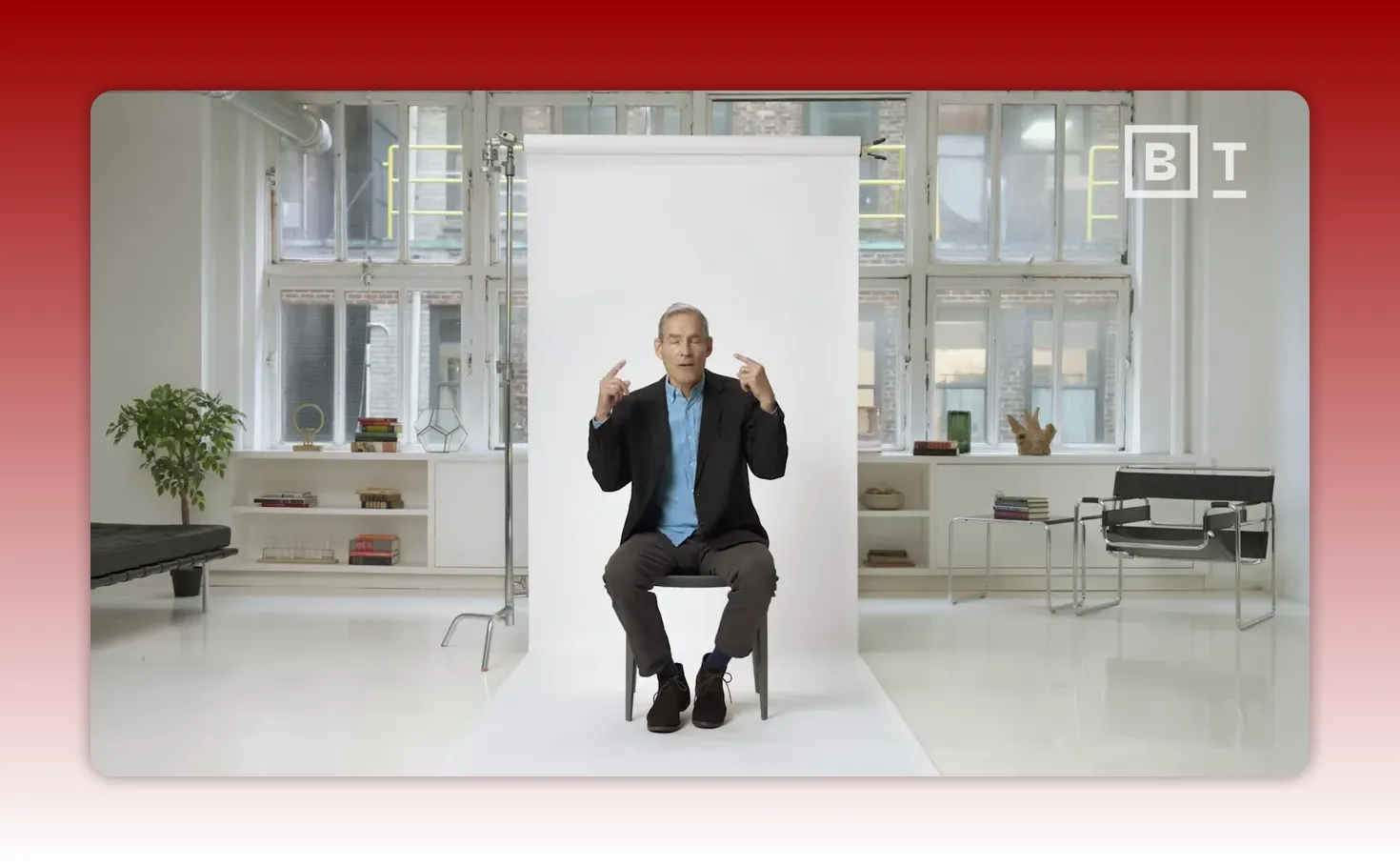
Something counterintuitive: strategies we label unhealthy can sometimes be adaptive in specific moments. Suppression, for example, can be essential when parents comfort frightened children at an airport or when medical teams must stay focused in chaos.
Bonanno calls this idea coping ugly and cautions us not to moralize strategies but match them to the context and switching away when they create broader harm.
Translating flexibility into organizations and communities
The flexibility framework scales beyond individuals. Organizations and communities face disasters, market shocks, and social traumas. The same three-step sequence, paired with supportive culture and structures, increases collective resilience.
Context sensitivity at scale: Leaders must diagnose the immediate, solvable problems (distribution of resources, communication breakdowns, safety protocols) rather than defaulting to grand narratives that paralyze action.
Repertoire building: Maintain a diverse toolbox of responses—clear emergency protocols, trained mental health liaisons, rapid material support, transparent communications, and mechanisms for decentralized decision-making. Encourage multiple small pilot responses rather than a single top-down fix.
Feedback loops: Rapid after-action reviews, transparent metrics, and avenues for frontline feedback help organizations iterate. When a strategy fails, the culture must permit fast course correction.
Flexibility mindset leadership: Communicate optimism grounded in realism, build collective coping confidence by rehearsing protocols, and model challenge orientation—shifting from blame to problem-solving.
Communities amplified this way resist social contagion of panic. Shared rituals, accurate information flow, and visible mutual aid transform collective distress into coordinated coping.
Grief is not trauma: a different system and a different set of tools
Death of a loved one is often lumped together with trauma, but grief runs on distinct psychological circuitry. Trauma activates hyperarousal and survival systems. Grief tends toward deceleration. Heart rate often dips; attention withdraws inward. The mind must reconfigure its internal model of the world where a once-central person no longer exists.
A few points about grief that are practically helpful:
Sadness is functional: It directs inward work: recalibrating identity, re-scripting daily life, and condensing memories into a portable narrative.
No stage model fits everyone: The five-stage model of grief is not a reliable roadmap. People oscillate between inward reflection and social reconnection in idiosyncratic rhythms.
Continuing bonds: Healthy grieving often includes preserving a transformed bond—not trying to erase the person but integrating their memory into ongoing life.
Quasi-hallucinations and memory distortions: Sensing the dead in public or imagining mundane sounds as if the person returned are common. They reflect the brain's predictive machinery recalibrating.
Treatment and diagnosis: when labels help and when they harm
A diagnostic label like PTSD can be validating and direct people to evidence-based treatments. But diagnoses are porous; overdiagnosis happens. The goal should be to identify who is suffering in a way that meaningfully impairs life and then to provide targeted help—whether psychotherapeutic, social, or medical.
Evidence-based treatments for those who remain stuck typically combine:
Cognitive restructuring: Examining dysfunctional beliefs about blame, permanence, or threat.
Exposure-based techniques: Guided, safe revisiting of the traumatic memory from beginning to end to reduce the fragmentary hold and integrate the narrative.
Behavioral activation and social reconnection: Rebuilding routines and social safety nets.
Practical self-talk and micro-scripts
Self-talk is a tiny but powerful lever. Short, testable phrases can prime the flexibility mindset and simplify decision-making under stress. Try these micro-scripts and adapt them to personal, organizational, or community contexts:
Optimism: "This will get better." / "We will manage this."
Confidence in coping: "I have tools I can try." / "We have handled hard things before."
Challenge appraisal: "What is one problem I can fix right now?" / "Which step will reduce the risk?"
Context check: "What is happening in this moment?"
Feedback prompt: "Did that help? If not, try something else."

Stories that illuminate the science
Stories make the science concrete. A few illustrative examples:
Personal near-drowning: One person describing camping in a canyon woke during a flash flood, climbed to a tiny ledge, and survived. At the time it was terrifying, but it did not become a chronic trauma; instead, it became a vivid but manageable memory.
9-11 and collective blind spots: Mass disasters produce a resilience blind spot: widespread, intense reaction makes it hard for people to imagine that their distress will be temporary. Social contagion and media focus magnify the immediate emotion and obscure the common path toward recovery.
Historical diaries: Samuel Pepys wrote about persistent nightmares months after the Great Fire of London. People experienced trauma long before PTSD was a formal diagnosis, but social language and recognition were absent.
How to use this framework today
Whether you are supporting yourself, leading an organization, or building community readiness, these core takeaways will be useful:
Be precise with words: Reserve the trauma label for events that fit the life-threatening or violent criteria. This avoids unnecessary pathologizing and lets resources reach those who need them most.
Encourage a flexibility mindset: Teach the three beliefs and practice the three-step sequence—context sensitivity, repertoire, feedback—through drills and small experiments.
Normalize distress and faith in recovery: Communicate that upset is natural and frequently temporary. Use stories of past recovery to build coping self-efficacy at personal and collective levels.
Design feedback systems: At organizational and community levels, create mechanisms to try responses quickly, measure outcomes, and shift strategy when required.
Support continuing bonds for grief: Encourage ritual, storytelling, and purposeful acts that help integrate the loved one into ongoing life rather than forcing a premature separation.
FAQ
How common is PTSD after a potentially traumatic event?
It varies by event and population, but the most common outcome is resilience. Roughly two-thirds of people exposed to potentially traumatic events show a resilient trajectory. Chronic PTSD tends to occur in a minority, often less than 10 percent, while others recover after a prolonged period or experience delayed symptoms.
Does the body "keep the score"—does trauma permanently change the brain?
Trauma produces strong biological responses, including hormonal and epigenetic shifts, but these do not necessarily equate to permanent damage. Many people’s systems recalibrate and memories reconsolidate into less distressing forms. Permanent changes occur for some individuals, but they are not the universal rule.
What is the most effective first step when someone is struggling after a disaster?
Begin with context sensitivity: assess the immediate, solvable problems (sleep, safety, access to resources). Addressing concrete needs supports stabilization, which then makes psychological work more effective. Pair immediate supports with encouragement toward flexible coping strategies.
How can organizations build resilience ahead of crises?
Build a diverse repertoire of response tools, run small-scale readiness drills to strengthen collective confidence, create clear communication pathways, and implement feedback loops that allow rapid iteration. Leadership that models optimism grounded in realism and a challenge orientation fosters adaptive behavior.
Are there times when avoidance or suppression is okay?
According to Bonanno: Yes. Short-term suppression or avoidance can be useful during crises when functional focus is necessary. The risk comes when people rely on a single strategy habitually. Flexibility requires using a strategy briefly when it fits and shifting away when it causes harm.
Final note
The most hopeful finding from decades of research is that human systems (biological, psychological, social) are engineered for recovery more often than not. That does not minimize suffering. It does, however, redirect attention from despair to action. By recognizing what events truly qualify as traumatic, by understanding how stress reshapes attention and memory, and by teaching the flexibility mindset and sequence across individuals, organizations, and communities, we improve the odds that more people will return to meaningful, functioning lives after hardship.
Resilience is not a myth. It is an outcome you can increase through assessment, variety of tools, and disciplined feedback. The work of recovery is less about curing a fixed defect and more about learning how to act adaptively in the moment—and to keep trying until something works.
This article was created based on the video Why the body doesn't keep the score: the real science of trauma in 90 mins I George Bonanno.


